


Fan Zones: The Other Side of the World Cup Outside the Stadium
)
In 2026, with a format shared among Mexico, the United States, and Canada, that transformation will be even more evident: the tournament experience will extend far beyond the stadiums.
Fan Zones have established themselves as one of the most significant formats for understanding how mass events are evolving and the role of technology in them.
From broadcast spaces to immersive experiences
What began as a way to watch games outside the stadium has evolved into a full-fledged entertainment ecosystem. Today, Fan Zones feature food and drink, brand activations, live music, and interactive experiences.
This represents a significant shift: it’s no longer just about broadcasting the game, but about creating an environment that keeps the audience engaged before, during, and after the game.
As Soraya González, Manager of New Business Development and Strategic Accounts at LEDEC Technology, points out: “Fan Zones have evolved into immersive experiences where content, technology, and audience interaction must work together as a whole.”
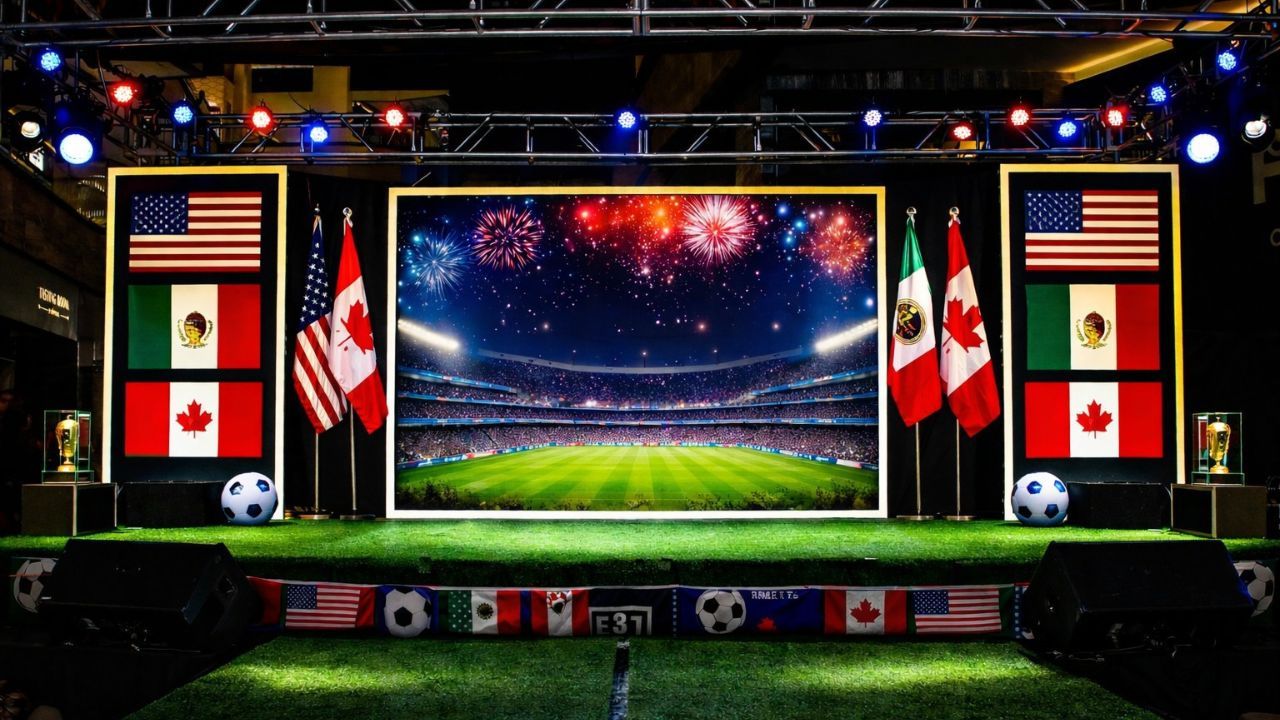
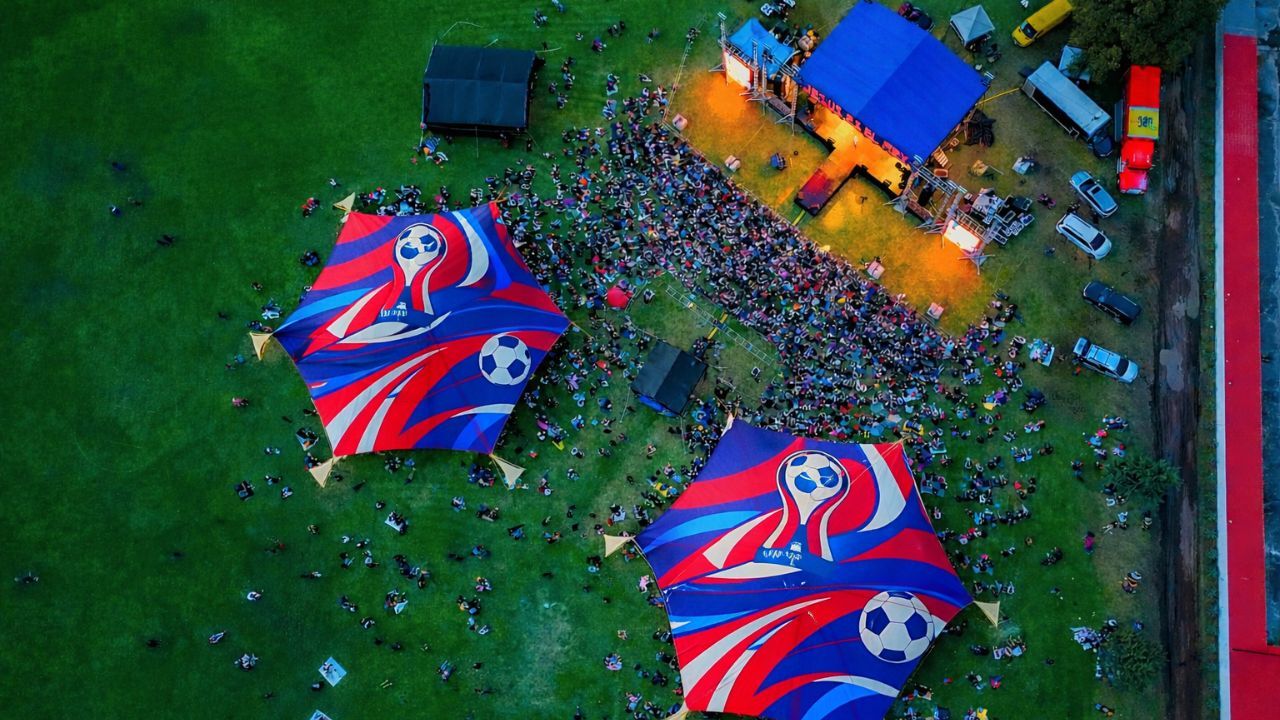
For the 2026 World Cup, Mexico will host several FIFA Fan Festivals, which will be set up at iconic locations across the country. Among the main venues are the Zócalo in Mexico City, Fundidora Park in Monterrey, and Plaza de la Liberación in Guadalajara, all of which have been prepared to accommodate thousands of fans.
In cities like these, where massive crowds are expected, this development also entails greater technical and operational demands.
Technology as the cornerstone of the experience
In open environments with large crowds, ensuring visibility and image quality is one of the main challenges.
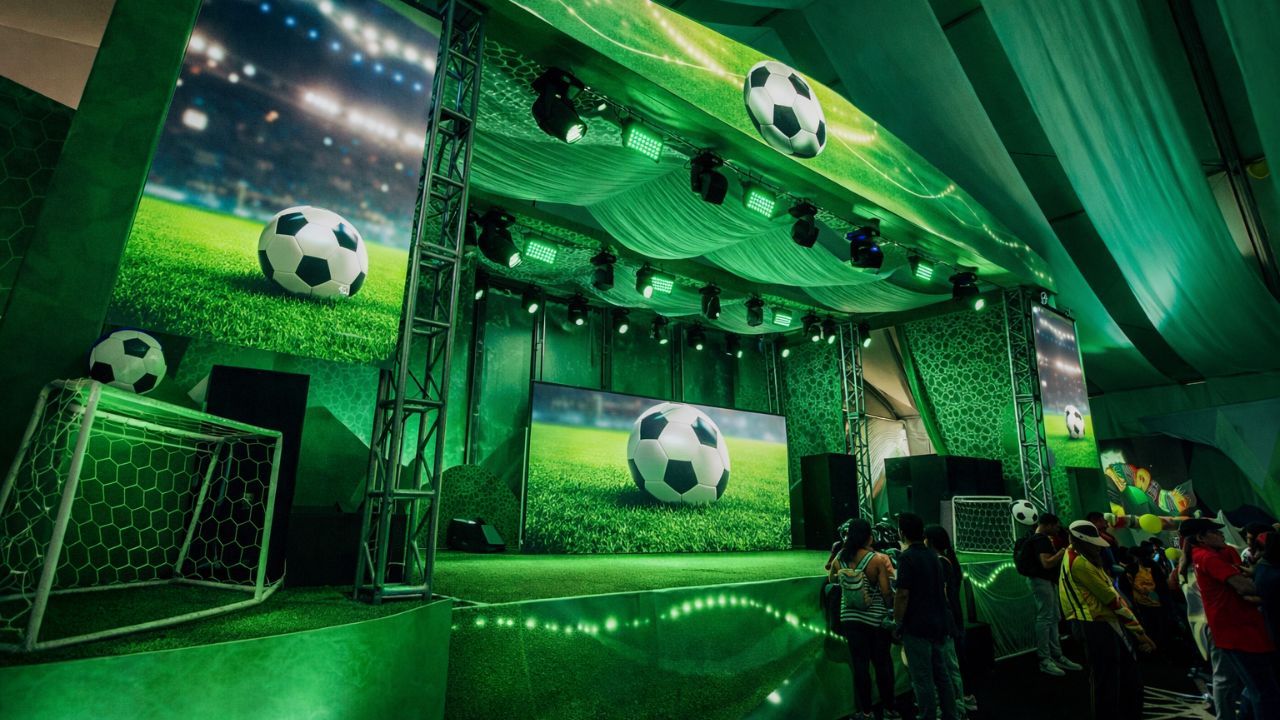
Large-format LED displays are designed to meet these requirements, ensuring that content remains visible even in direct sunlight or from a distance. But their role goes far beyond simply displaying content.
Today, these systems make it possible to:
- Integrate real-time dynamic content
- Show event statistics, replays, and messages
- Adapt the visual narrative to each moment of the day
“The immediacy of the content is key. It’s not just about watching the game, but about keeping the audience constantly engaged,” explains Soraya.
This ability to continuously update transforms the screen into an active element of the experience, rather than just a display.
A high-value environment for brands and event organizers
Fan Zones have also become strategic platforms for communication and sponsorship. Brands can integrate themselves into the experience through dynamic content, real-time campaigns, and activations designed for mass audiences.
To achieve this, it is essential to have systems that allow for the management of multiple screens from centralized platforms, ensuring consistency and synchronization across the entire environment.
Event infrastructure with zero margin for error
Behind these experiences lies a technical infrastructure that cannot fail. Events of this scale require solutions specifically designed to operate under demanding conditions, over long periods of time, and with thousands of people interacting in the same space.
As part of the company, Ledec Live Events bases its approach on three key pillars:
- High-performance displays: Equipment designed for rental and touring applications, built to withstand harsh conditions without compromising visual quality.
- Advanced processing: Integration of platforms such as PIXELHUE and NovaStar, which enable real-time control of critical parameters such as latency, stability, and image quality.
- Specialized technical support: Experienced on-site teams and local support in Mexico, capable of responding quickly to any situation.
“At live events, reliability is what keeps the whole operation running. There’s no room for interruptions,” says Soraya.
This combination of technology and support is what enables a seamless experience, even in complex situations.
Designing for scale
One of the major challenges facing Fan Zones is their sheer scale. With millions of attendees expected—especially in cities like Mexico City—the infrastructure must be able to deliver not only in terms of quality, but also in terms of resilience and operational continuity.
This requires robust, redundant systems, detailed planning for installation and operation, and equipment designed for heavy-duty use.
A model that's here to stay
Beyond the World Cup, Fan Zones reflect a broader transformation in the industry: the creation of large-scale collective experiences, where technology serves as the bridge between content and audience.
By 2026, these spaces will not only expand the tournament’s reach but also establish a new way of experiencing events: more open, more connected, and deeply immersive.
Remember, the stadium is no longer the only place where the excitement happens. The evolution of Fan Zones is just one example of how technology is transforming live events.
To learn more about these solutions, Ledec will be exhibiting at InfoComm América Latina . Register to receive updates about the event and plan your visit to see their products and applications in real-world settings.