


Self-service as a competitive advantage
)
The business environment has become increasingly competitive, with operational efficiency and customer experience serving as key factors for standing out.
In this context, digital self-service—through interactive screens and smart kiosks—is changing the way companies sell, serve customers, and generate revenue.
More and more organizations are adopting these solutions to streamline processes, enhance the customer experience, and optimize their human resources.
More sales, less friction
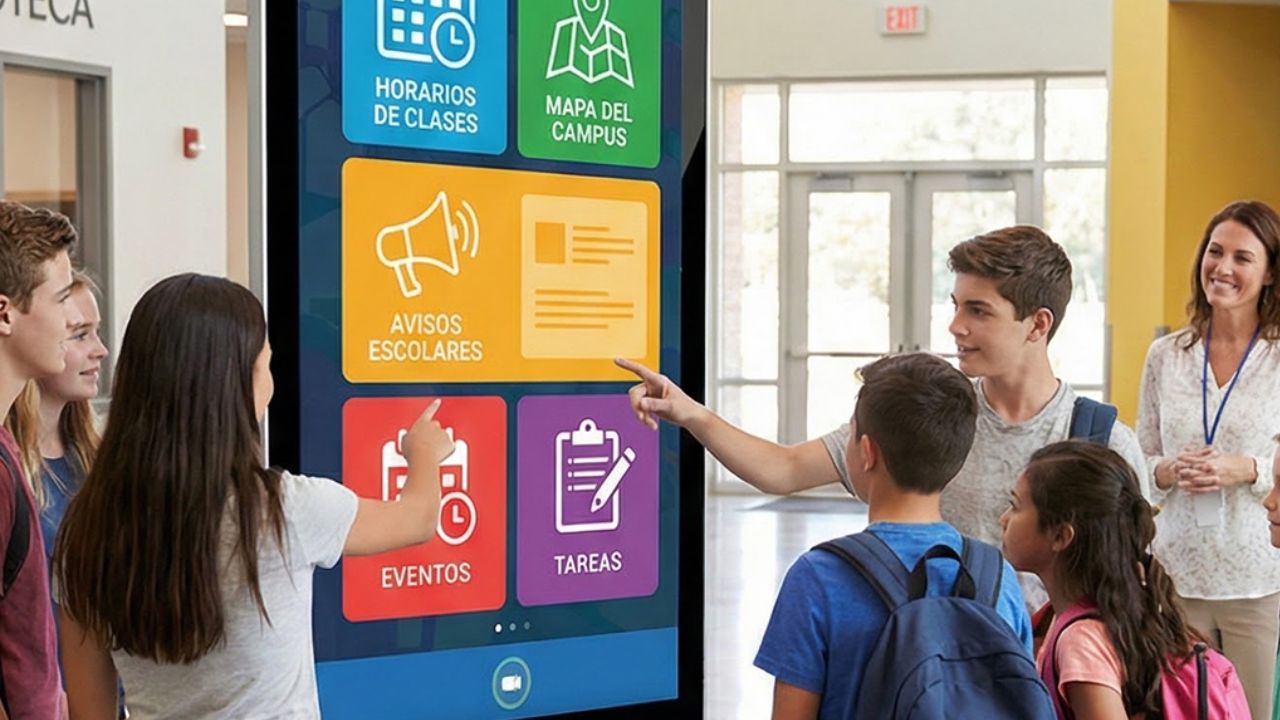
Self-service kiosks allow customers to place orders, look up information, pay for services, or browse products without the need for direct assistance from staff.
This reduces wait times, streamlines the purchasing process, and improves the overall user experience, especially in high-traffic environments.
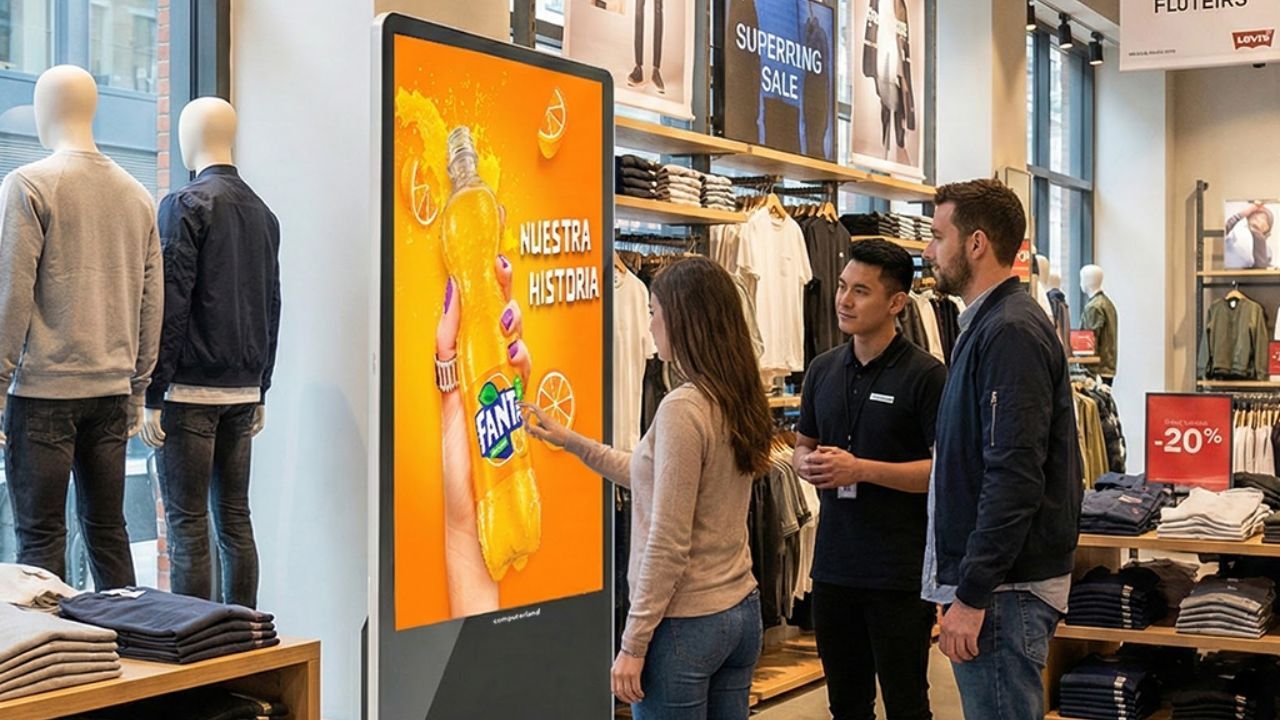
In addition, interactive kiosks can incorporate recommendation tools or automatic promotions during the purchasing process.
“One key point is that these systems can suggest additional products, promotions, or bundles, thereby automatically increasing the average transaction value,” says Antonio Valenzuela, a computer engineer at Computerland.
These types of features, which are common on digital e-commerce platforms, are now being brought into physical retail spaces as well, creating new sales opportunities at the point of sale.
Continuous operation, steady income
Another key advantage of digital self-service is that it allows businesses to expand their capacity to serve customers.
In certain situations, interactive kiosks can continue to operate even when there are fewer staff members available, allowing customers to continue making inquiries, placing orders, or making payments.
This is particularly useful in sectors such as:
- restaurants and cafes
- hotels
- hospitals
- shopping malls
- educational institutions
- corporate
In these settings, screens can be used for processes such as visitor registration, food orders, check-in, information inquiries, or appointment scheduling.
Cost reduction and equipment optimization
Beyond the user experience, self-service also offers significant operational benefits.
“Self-service doesn’t replace staff; it optimizes their work. It allows employees to focus on strategic tasks and higher-value customer service, while technology handles repetitive processes,” adds Antonio.
This helps reduce ordering errors, streamline processes, and improve team productivity.
In many cases, staff can focus more on providing personalized service or resolving complex issues, while routine tasks are automated.
A data-driven strategic investment
Another significant advantage is these solutions' ability to generate information.
“Self-service systems can collect data on consumer habits, peak demand times, product preferences, and user behavior within the store,” explains Valenzuela.
This information enables companies to:
- adjust promotions
- optimize menus or catalogs
- improve the customer experience
- make business decisions based on real data
Key Factors for Successfully Implementing Self-Service Kiosks
While self-service kiosks can generate significant operational and commercial benefits, their implementation requires careful consideration of certain key factors to ensure a positive user experience.
Strategic location: Kiosks should be installed in visible, easily accessible locations for customers. In high-traffic areas, such as restaurants or shopping malls, the location can make the difference between a system that is constantly used and one that goes unnoticed.
Simple and intuitive interface: The user experience is key. The screens should offer clear navigation, with processes that are quick and easy to understand for all types of users.
Integration with existing systems: To maximize their potential, self-service kiosks must integrate with point-of-sale (POS) systems, payment platforms, and content management tools, enabling centralized and efficient operations.
Remote maintenance and monitoring: Having tools that allow you to monitor equipment performance remotely makes it easier to detect faults, update content, and perform preventive maintenance.
As companies seek more agile processes and smoother experiences for their customers, digital self-service is becoming a strategic component of their operations: driving more revenue, increasing efficiency, and leading to greater customer satisfaction.
Technology isn't just an operating expense. When implemented properly, it becomes a direct driver of profitability.
Computerland has already confirmed its participation in InfoComm América Latina , where you’ll be able to see its self-service kiosks, among other solutions. Sign up to receive updates and come see everything for yourself!