

How to Maximize ROI in Collaboration Spaces with Professional Audio
)
Although video often takes center stage when designing a meeting room or collaboration space, various industry studies show that sound has a direct impact on meeting efficiency, the user experience, and the return on investment (ROI) of the installed technology.
In fact, industry research indicates that 47% of organizations report productivity losses due to audio issues during meetings, while nearly half say that poor audio quality affects their ability to make decisions.
When audio issues arise—such as people having to repeat themselves, remote participants not hearing clearly, or echoes interrupting the conversation—the result isn't just frustration; it also leads to a loss of time, focus, and communication effectiveness.
The Invisible Impact of Audio on ROI
Often, the return on investment for audiovisual technology is measured solely in terms of the cost of the equipment or the installed infrastructure. However, the real impact is usually found in less visible factors.
For example, recent studies show that improving audio quality in collaborative spaces can:
- Increase team productivity
- Reduce the time needed to make decisions
- Improving Participation in Hybrid Meetings
- Increase user satisfaction with the installed technology
In an industry survey, 81% of professionals said that improving audio quality is the most important factor in optimizing virtual meetings, with direct effects on team productivity and engagement.
“Organizations have invested heavily in video conferencing and state-of-the-art conference rooms, but if the audio fails, all that investment is compromised, especially in hybrid settings. When remote participants hear audio that is noisy, faint, or distant, it affects engagement, decision-making, and professional image,” says Julián Sánchez, Market Development Specialist at Shure.
“At Shure, we see this every day: customers who already had an advanced infrastructure achieved significantly better results by incorporating professional audio solutions for meeting rooms. At a company with more than 20 hybrid rooms, after integrating noise-canceling ceiling microphones and dedicated processing, remote users described the experience as ‘being in the room,’ reducing fatigue and improving meeting efficiency.”
The conclusion is clear: audio isn't just an afterthought—it's the foundation of an effective meeting. When every voice is heard clearly and consistently, collaboration technology truly adds value to the business.
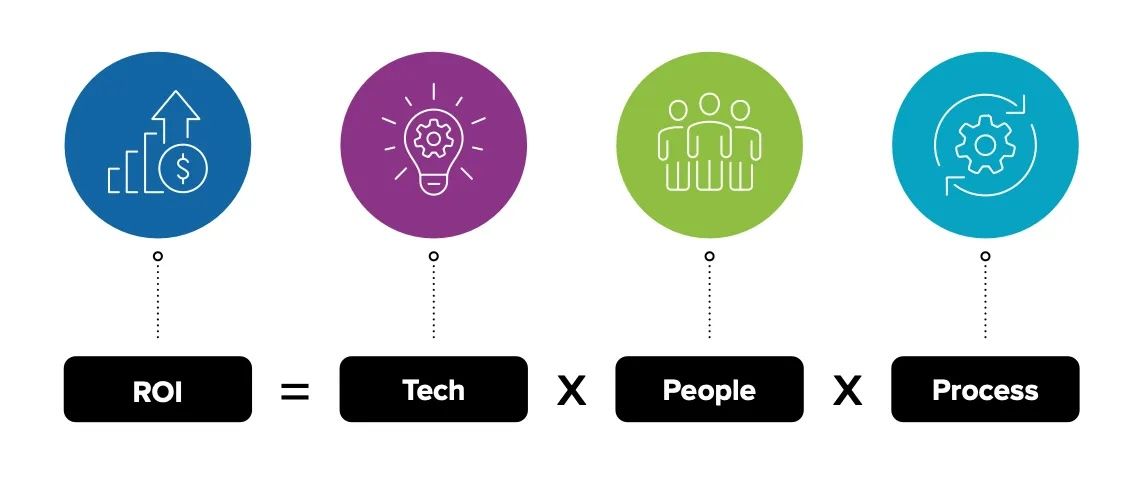
4 Tips for Boosting ROI in Collaborative Audio Projects
1. Design audio with the user experience in mind
One of the most common mistakes in AV projects is designing the room based on the available technology rather than on the user experience.
The goal is not simply to amplify the sound, but to ensure that all participants—whether in person or joining remotely—can hear and be heard clearly.
This means considering:
- room size
- table layout
- distance between participants
- room acoustics
- placement of microphones and speakers
“Audio quality in meetings is crucial, and proper microphone coverage can make a big difference. At Shure, we recommend ceiling-mounted microphones, which offer wide coverage and avoid the problems associated with table microphones, such as accidental movement and obstacles during interaction,” Julián explained.
“To maximize performance, it is essential to conduct an acoustic analysis of the room and work with audio specialists to determine the optimal number and placement of microphones. In addition, using digital signal processing (DSP) software helps adjust any acoustic variables in real time,” he emphasized.
2. Invest in scalable systems
Organizations rarely maintain the same office layout for years. New offices, flexible collaboration spaces, or changes to hybrid work policies can quickly alter technological needs.
For this reason, scalable solutions typically offer a better return on investment in the long term.
Networked audio systems allow you to:
- expand facilities without replacing the entire system
- integrate multiple meeting rooms
- manage devices centrally
Standardizing equipment and platforms also simplifies technical support and reduces the workload for IT and AV teams.
Julián noted that more and more organizations are realizing that audio can no longer be viewed as isolated equipment, but rather as a networked ecosystem that is managed centrally. “When all microphones, processors, and speakers are connected via IP, the IT department can monitor the status of the rooms, update settings, detect faults, and provide remote support without having to travel on-site.”
“At our company, we’ve found that this approach reduces downtime, streamlines standardization across rooms, and improves the end-user experience: everything ‘just works.’ Furthermore, remote management allows for scalability—moving from a few rooms to dozens or hundreds—while maintaining the same level of quality and control, something that would be unfeasible with disconnected solutions lacking central visibility.”
3. Reduce technical friction during meetings
One of the biggest hidden costs of collaboration technology is the time lost when systems don't work properly.
The rooms where users must:
- constantly changing cables
- manually configure the devices
- Failure to resolve echo or noise issues ultimately leads to frustration and lower adoption of the technology.
In contrast, solutions designed to integrate easily with collaboration platforms—such as Zoom, Microsoft Teams, or Webex—allow meetings to start faster and run more smoothly.
“Today, almost all meetings take place on UC platforms such as Microsoft Teams, Zoom, or Google Meet, which is why at Shure we design our solutions to integrate natively with these environments. When the audio is certified and integrated with the platform, the user experience is much simpler: you enter the room, connect, or start the meeting, and everything works without any additional configuration.”
“In numerous deployments, we have seen that combining networked microphones, DSP, and certified speakers with the customer’s UC platform reduces incidents, shortens support time, and improves the perceived quality of meetings, both for those in the room and for remote participants,” said the Shure specialist.
4. Thinking Long-Term: Maintenance and Management
An AV project doesn't end with installation. The management and maintenance of the systems also have a direct impact on ROI.
Solutions that enable:
- remote monitoring
- centralized firmware updates
- Rapid fault diagnosis reduces the number of incidents and simplifies daily operations.
In addition, the ability to manage multiple devices from a single platform can significantly reduce the technical team’s workload.
“With networked device management and monitoring tools, organizations can monitor the status of all their audio equipment from a single dashboard. This reduces downtime, enables remote firmware updates, and makes troubleshooting easier without the need for on-site visits. In various deployments, our customers have improved operational efficiency and ensured a consistent, high-quality audio experience in all their meeting rooms,” concluded Julián.
Focus on improvements
Ultimately, the true value of an audiovisual system is not measured solely by the quality of the equipment, but by its ability to improve communication and collaboration within the organization.
When spaces are designed to let conversations flow naturally—without interruptions, repetitions, or technological barriers—the result is more productive meetings, more engaged teams, and better decisions.
In that sense, audio ceases to be an invisible component and becomes one of the key factors in return on investment in collaborative environments.
Want to learn more? Shure has put together a free white paper explaining how modern collaboration tools boost ROI while minimizing workplace disruptions and increasing team efficiency. Access the report here.
These types of solutions and best practices will also be discussed during InfoComm América Latina, where companies like Shure will share their innovations and experiences with real-world projects. Be the first to know when registration opens!